[ad_1]
In a rapidly changing world, the ability to learn and adapt is more crucial than ever. Lifelong learning is not just about acquiring knowledge; it’s about unlocking your potential to grow, innovate, and thrive. Whether you’re a student, a professional, or someone looking to explore new interests, effective learning strategies can make all the difference. Here are 10 effective strategies to help you on your journey toward lifelong success.
1. Set Clear Goals
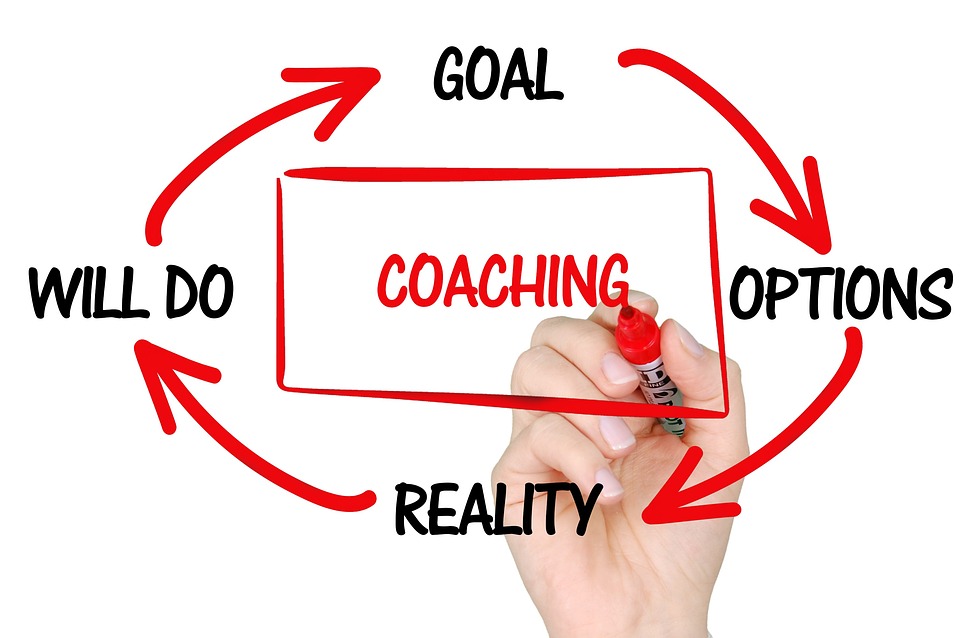
Laying down clear, achievable goals gives your learning process direction. Using the SMART criteria—Specific, Measurable, Achievable, Relevant, and Time-bound—can guide you in formulating your targets. Clear goals not only keep you focused but also help you monitor your progress.
2. Embrace Active Learning
Active learning involves engaging with the material rather than passively reading or listening. Techniques such as summarizing what you’ve learned, teaching it to someone else, or discussing it in groups can enhance your understanding and retention.
3. Use Spaced Repetition
The spaced repetition technique suggests revisiting material at increasing intervals over time. This combats the forgetting curve and enhances long-term retention. Utilizing apps like Anki can make implementing spaced repetition easier and more structured.
4. Leverage Multimodal Learning
Everyone learns differently. By utilizing various modalities such as visual (e.g., videos, infographics), auditory (e.g., podcasts, lectures), and kinesthetic (hands-on activities), you can find what resonates best with you and reinforce your understanding.
5. Stay Curious and Ask Questions
Cultivating a mindset of curiosity invites a deeper exploration of topics. Asking questions not only enhances understanding but also leads to new avenues of inquiry and research, promoting more profound learning experiences.
6. Create a Structured Learning Environment
Your environment plays a pivotal role in your ability to focus and absorb information. Designate a specific space for learning that is free from distractions. Ensure that this space is well-organized and equipped with the necessary tools and resources.
7. Analyze and Reflect
Reflection is vital for consolidating your learning. Take the time to analyze what you’ve learned, how you learned it, and what methods worked best for you. Keeping a learning journal can be an effective way to track your thoughts and insights.
8. Network and Collaborate
Engaging with others enriches the learning experience. Collaborate with peers, join study groups, or participate in forums related to your field of interest. This allows for the exchange of ideas, perspectives, and valuable feedback.
9. Stay Adaptable
The ability to adapt and change your learning strategies as needed is crucial. What works for one subject may not work for another. Being flexible and open to new methods can enhance your effectiveness as a lifelong learner.
10. Prioritize Well-Being
Your physical and mental well-being significantly impacts your capacity to learn. Regular exercise, a balanced diet, sufficient sleep, and mindfulness practices can enhance cognitive function and overall learning efficiency.
Conclusion
Unlocking your potential requires a commitment to lifelong learning and a willingness to adapt. By employing the strategies outlined above, you can create a robust framework that not only enhances your learning experiences but also leads you toward long-term success. Remember, the journey of learning is continuous, and with the right mindset and tools, the possibilities are limitless. Embrace the adventure of learning, and let your potential flourish!
FAQs
Q1: What is lifelong learning?
A: Lifelong learning is the ongoing, voluntary, and self-motivated pursuit of knowledge for personal or professional development.
Q2: How can I stay motivated to learn?
A: Setting clear goals, finding supportive communities, and maintaining a balance between study and leisure can help sustain your motivation.
Q3: Can anyone become a lifelong learner?
A: Absolutely! Lifelong learning is open to everyone, regardless of age or background. It primarily requires curiosity and an open mind.
Q4: What are some resources I can use for lifelong learning?
A: There are numerous resources available, including online courses (like Coursera and edX), podcasts, books, and local community classes.
[ad_2]